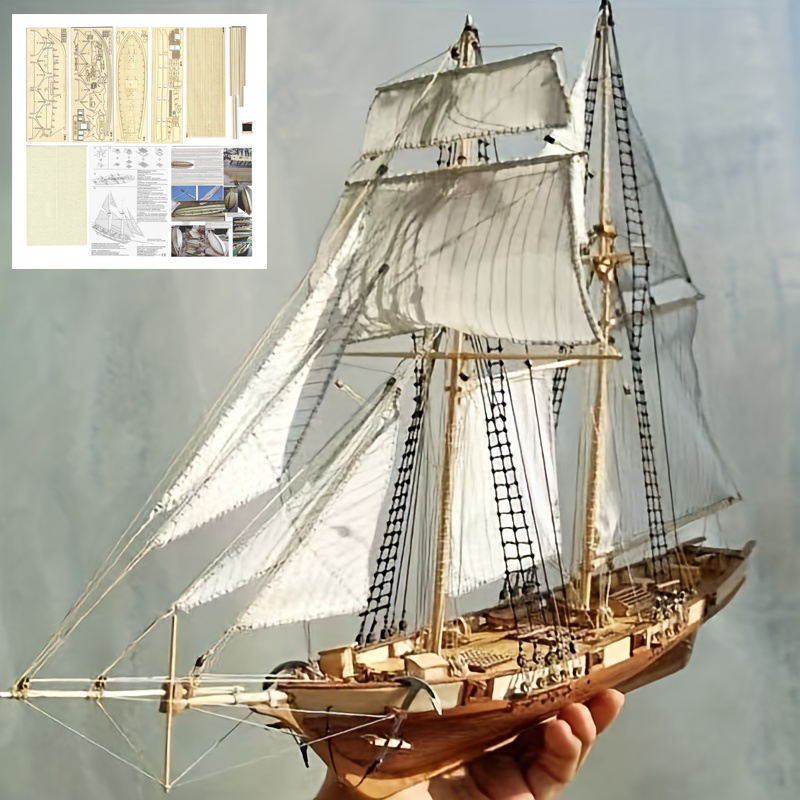
Product Detail Page
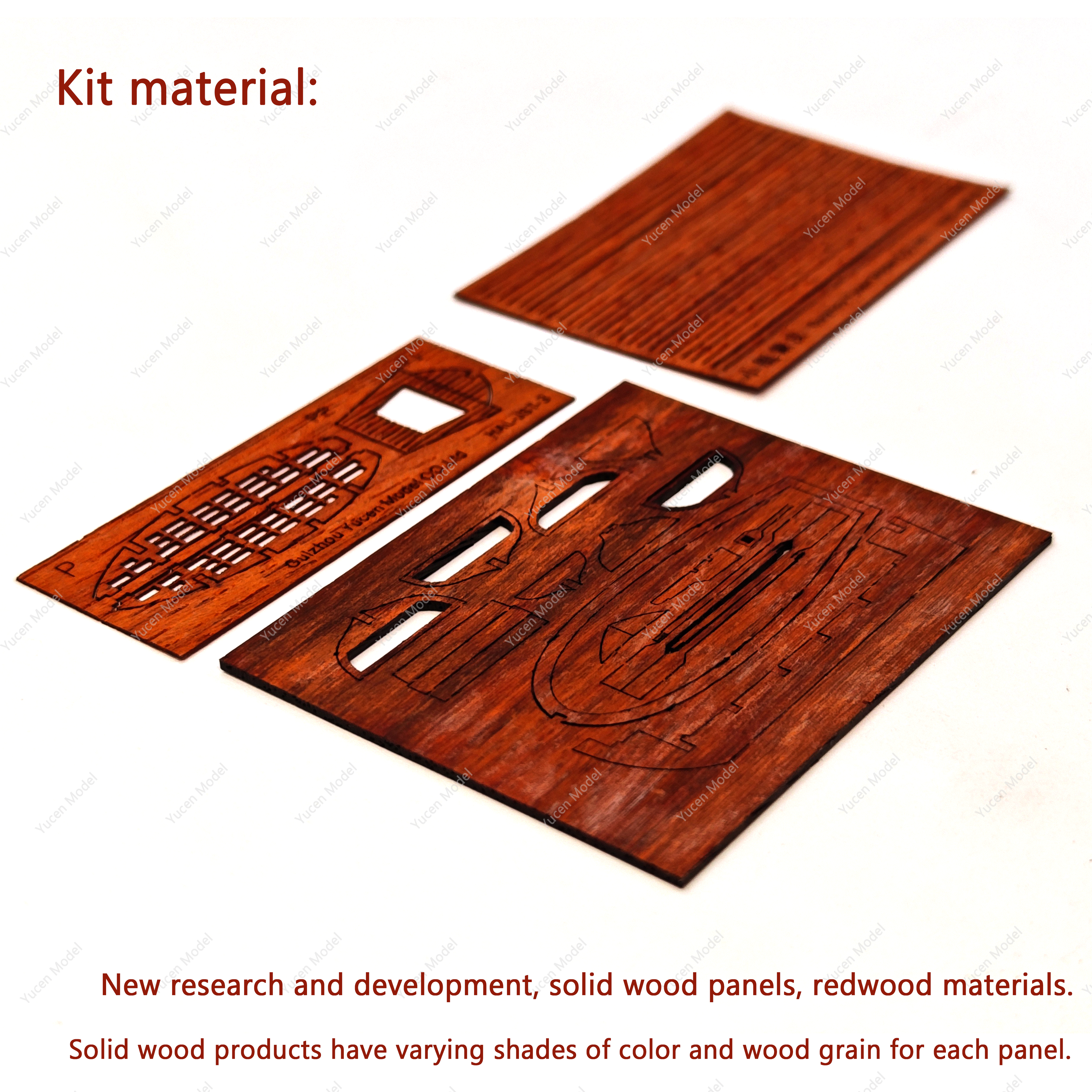
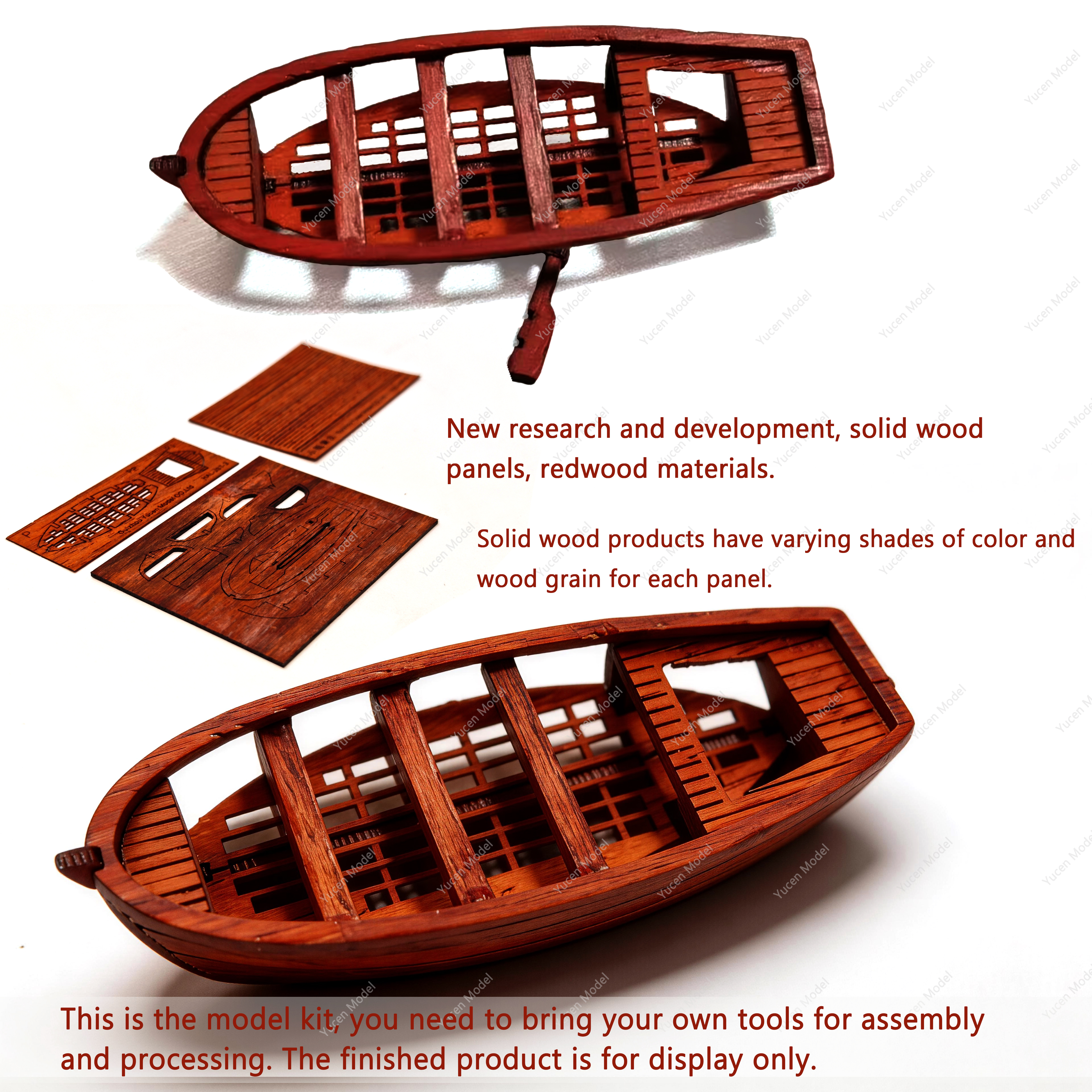
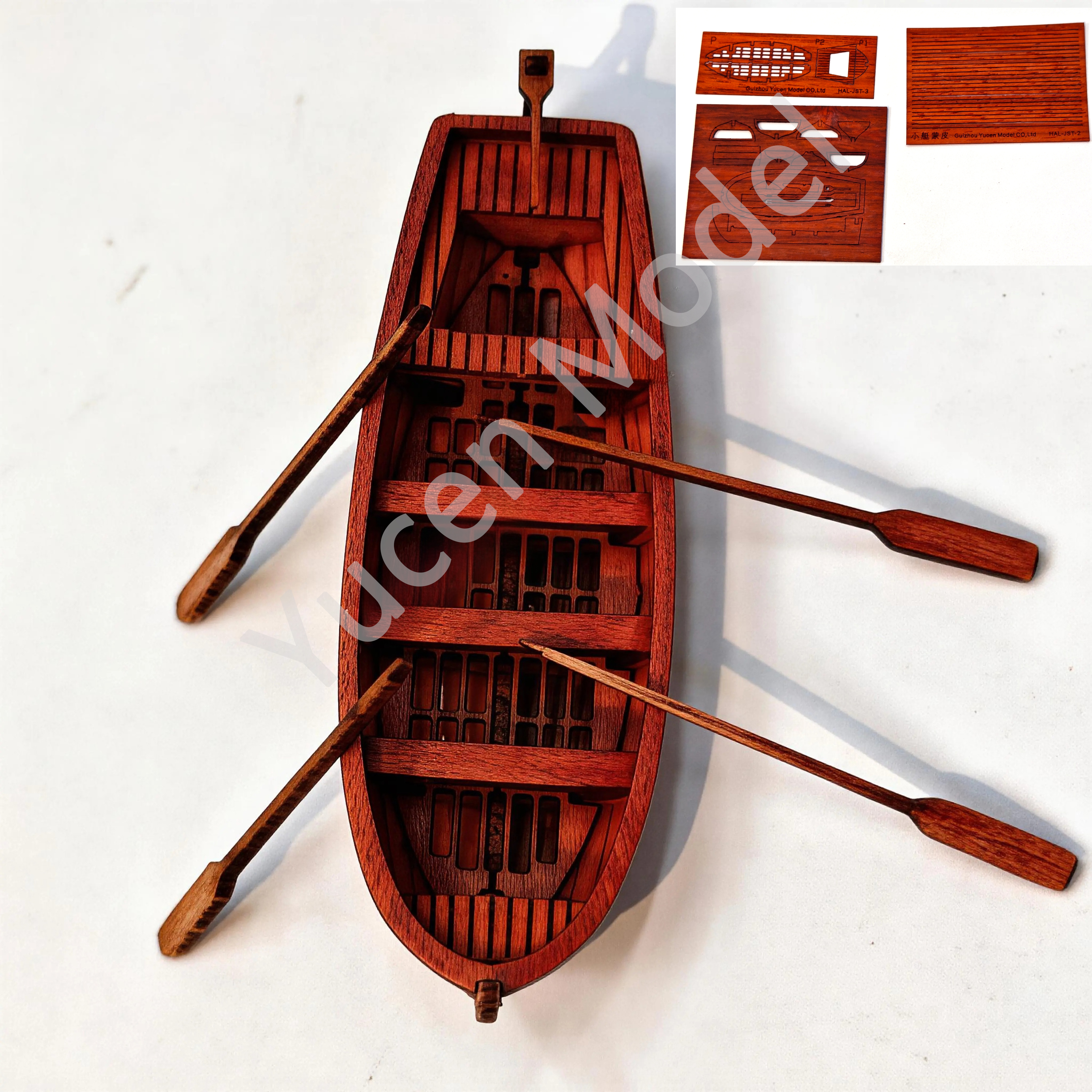
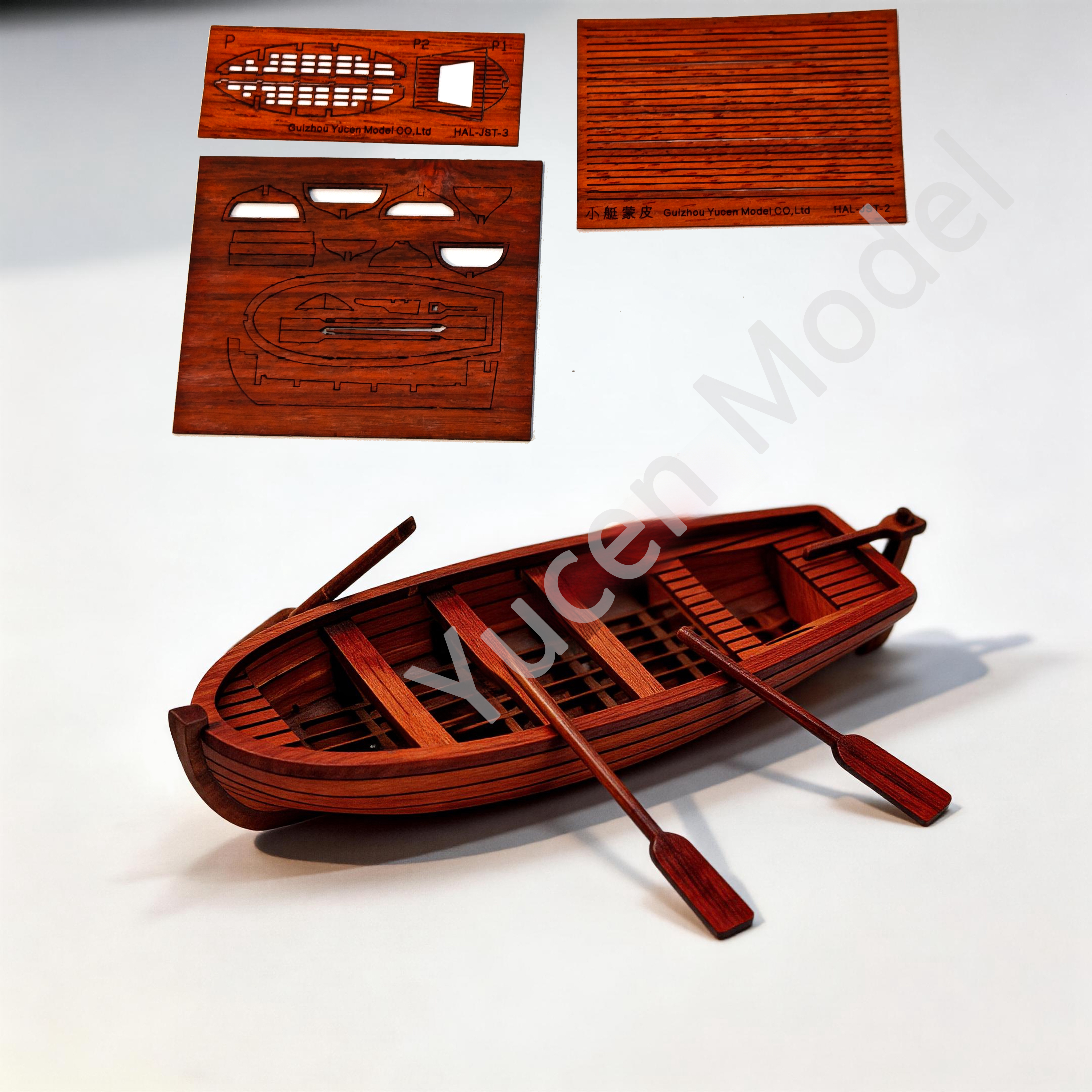
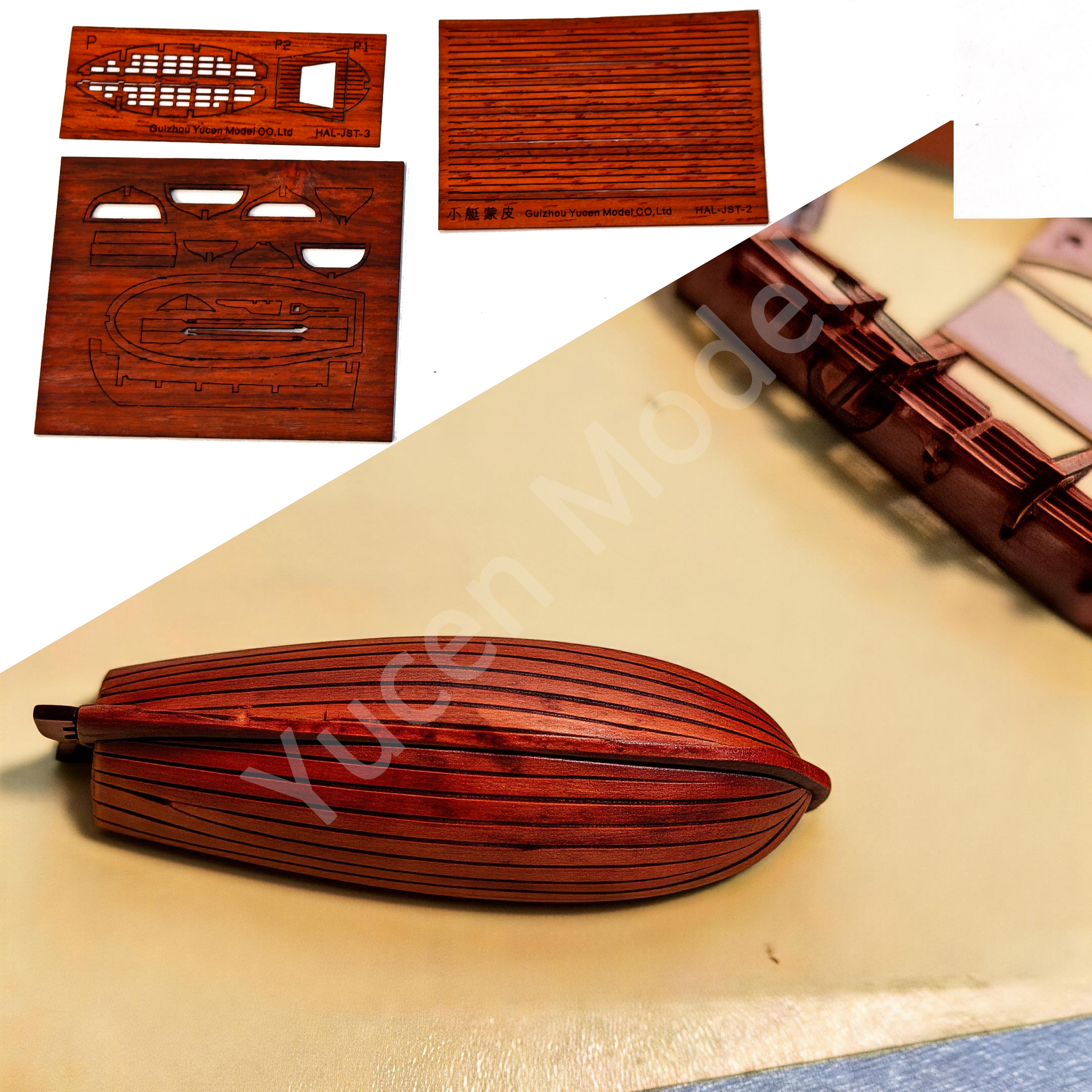
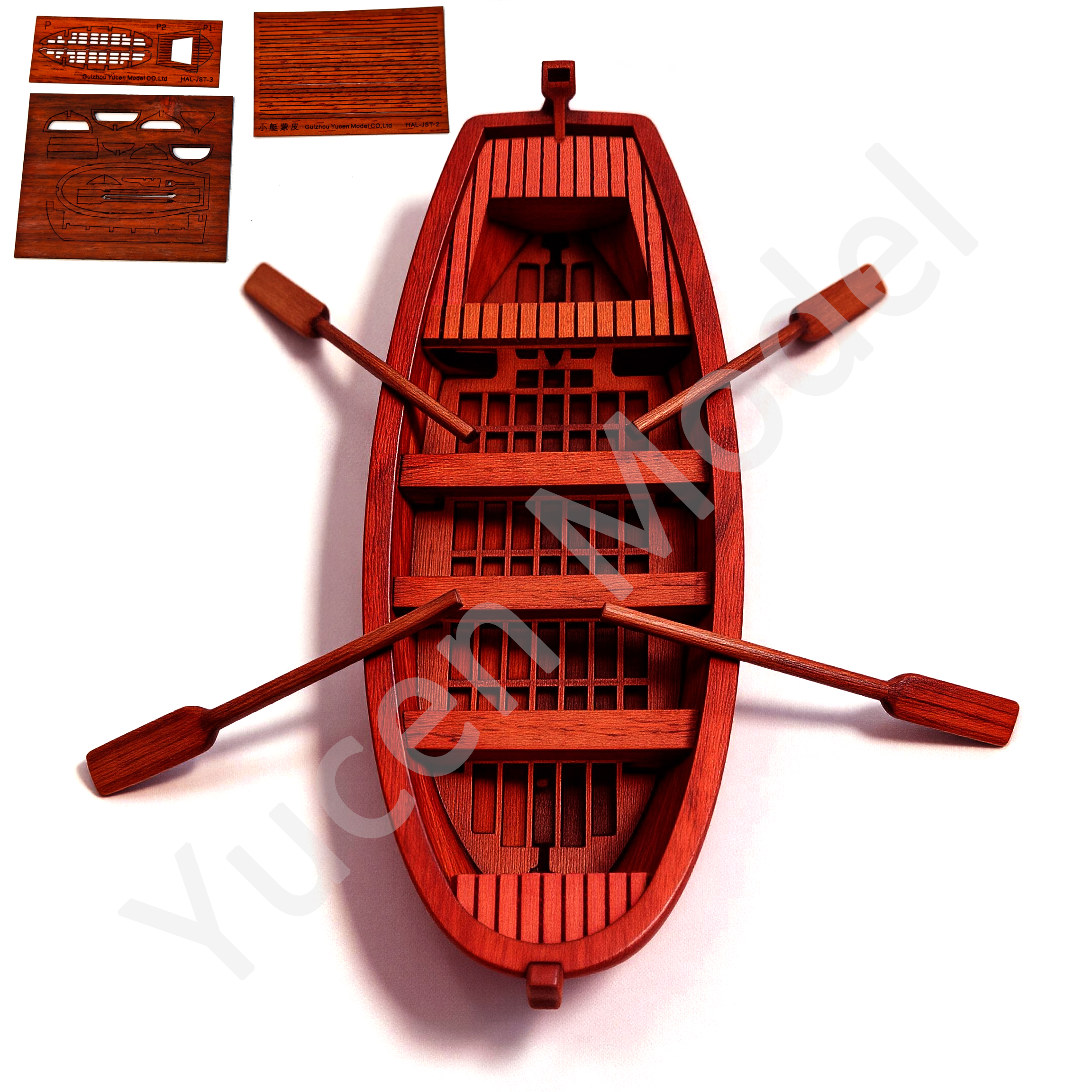
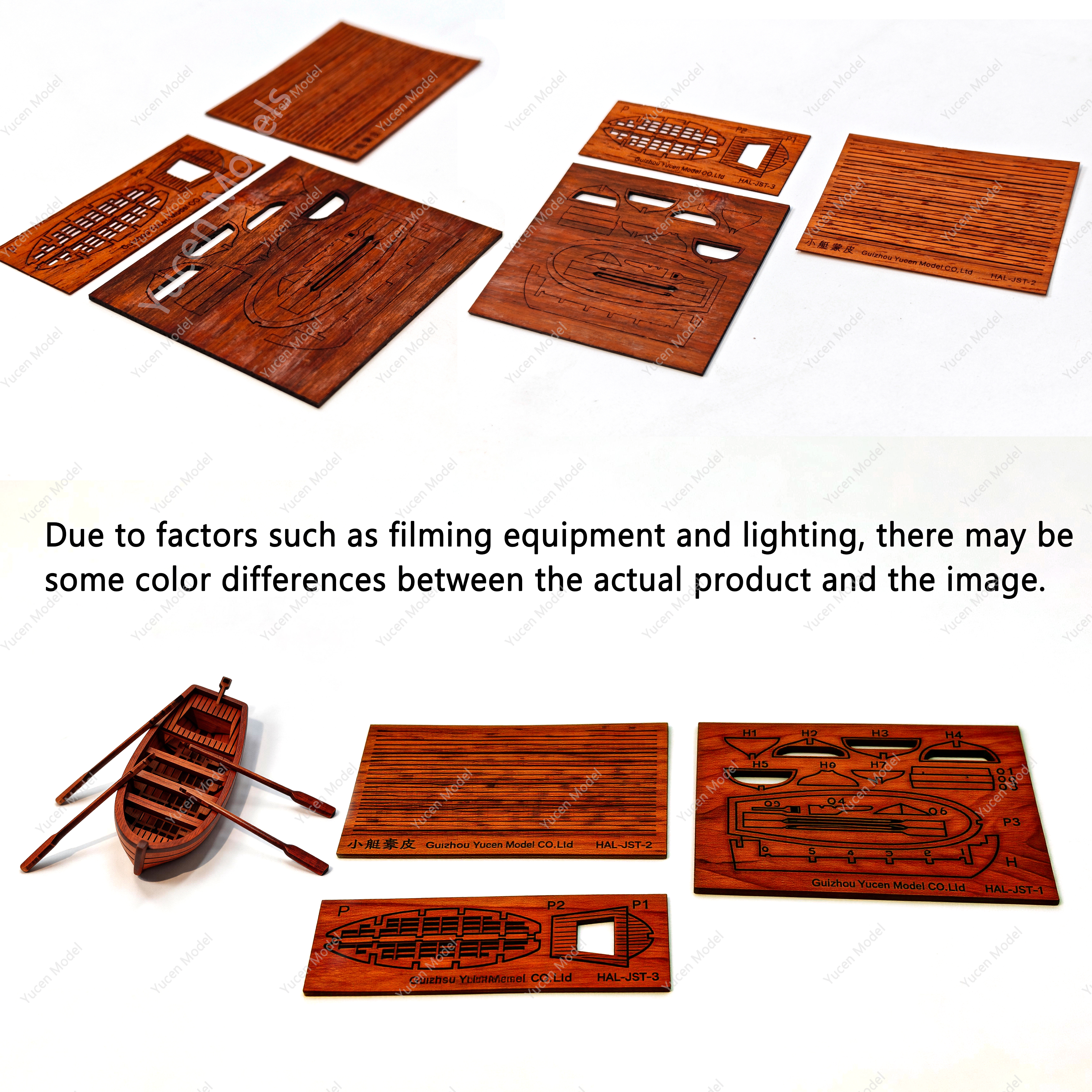
Product Name: Lifeboat (Revised Version) – Upgrade Parts for Ship Models, Universal
Model: White Maple Version、Sapele version、Redwood version、Black Walnut Version、Linden wood version
Batch Number: 2026020211
Series: Universal
Manufacturing Difficulty: Expert Level
Applicable Crowd: 14+
Recommended Tools: Basic Clamping & Measuring Tools: Mini tweezers, mini clamps (including long-tail clamps, G-type small clamps), high-precision ruler, cutting mat Cutting & Shaping Tools: Model craft knife, needle file set Bonding & Fixing Tools: Model woodworking white glue, CA instant glue (suitable for parts requiring quick shaping; avoid glue overflow to prevent contaminating part surfaces) Sanding & Detailing Tools: Sandpaper set (120-grit coarse sandpaper for initial sanding and shaping, 400-grit fine sandpaper for precision sanding, 800-grit wet sandpaper for polishing; dipping a small amount of water during sanding yields a smoother finish), mini hand drill + thin drill bits + copper nails (0.3–0.5mm), magnifying glass/head-mounted magnifier Auxiliary & Safety Tools: Cotton swabs + anhydrous ethanol (anhydrous ethanol can dissolve uncured CA instant glue), gloves + safety goggles, storage box/part sorting tray Precautions for Using Assembly Tools: 1. Sand wooden parts along the grain to prevent cracking; 2. When bonding the hull, first fix the keel, then splice the hull planks on both sides in sequence, clamp tightly and let it stand to ensure the glue fully cures; 3. Drill a hole before inserting copper nails to avoid splitting the wood from direct hammering
Manual Update Time: No update yet
Read ManualBackground Introduction
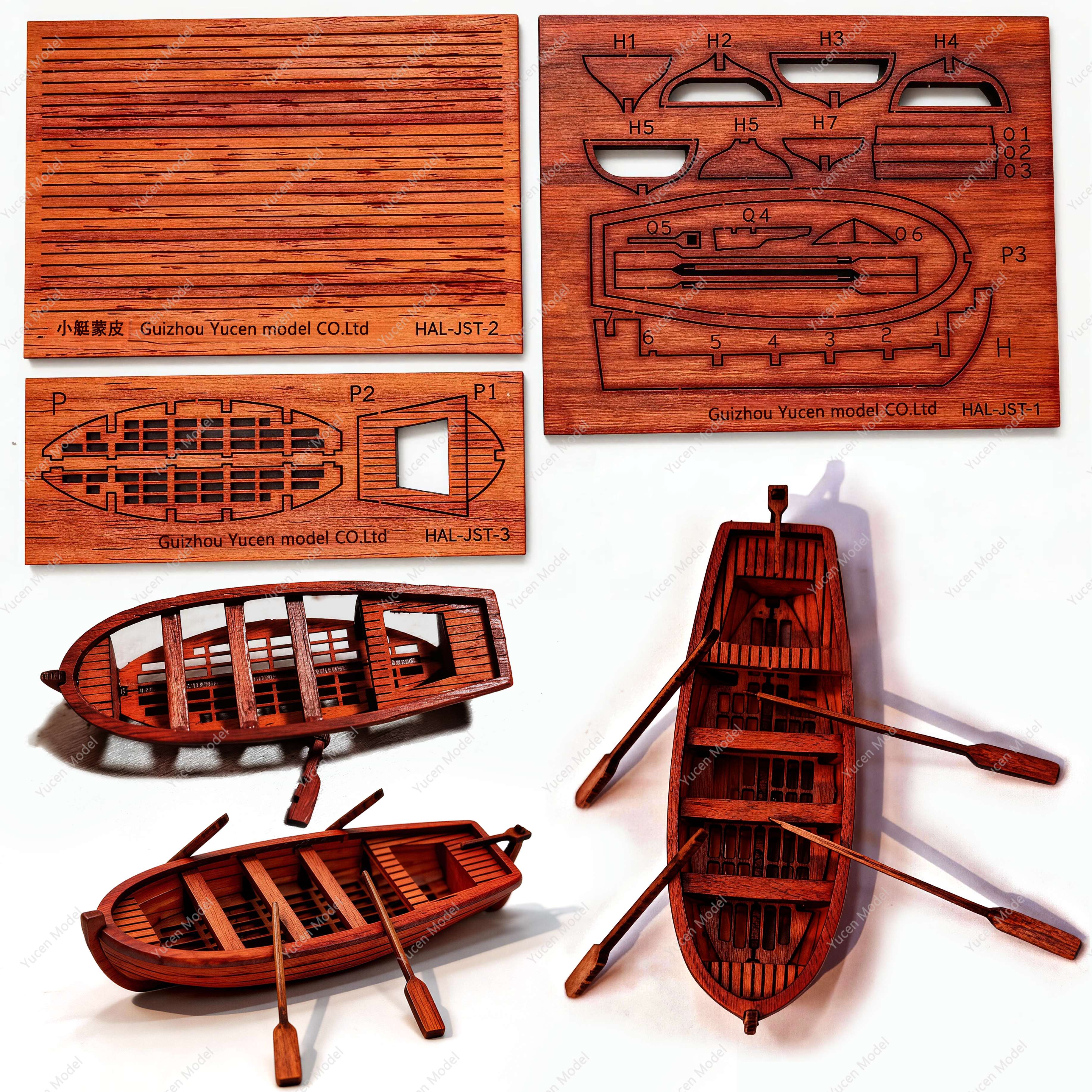
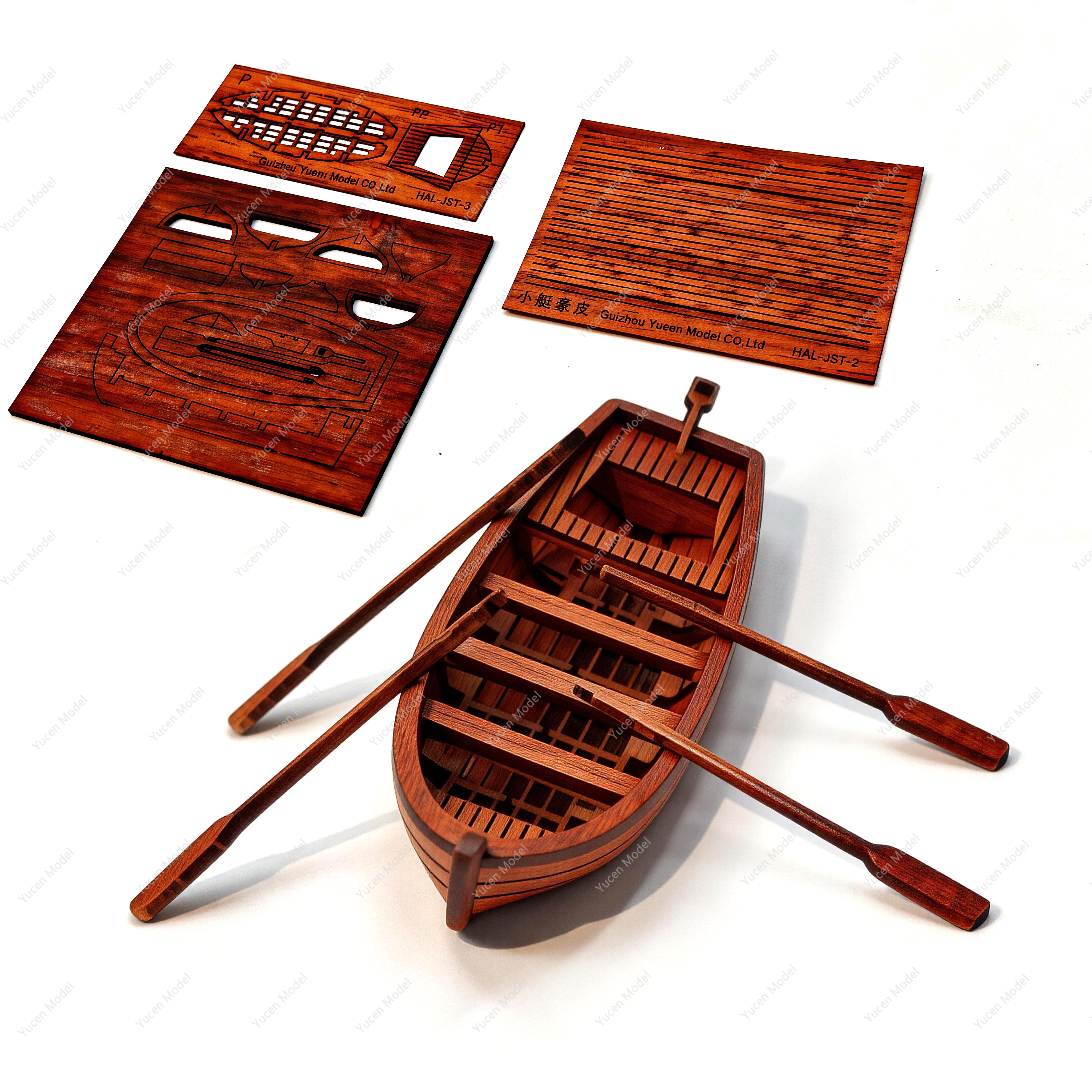
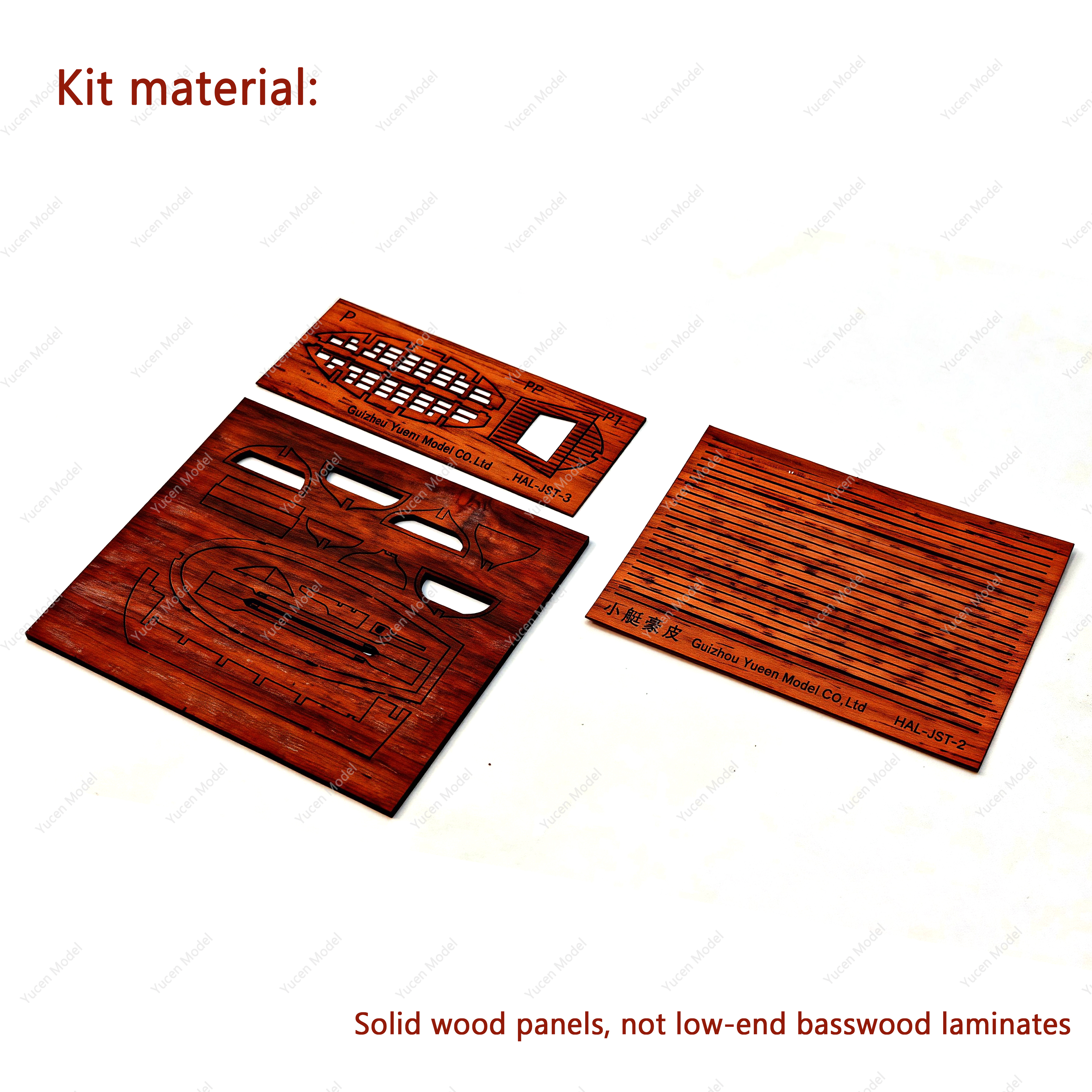
Introduction: To achieve broader compatibility, we have upgraded and refined this product, while adding more material versions to provide greater selection. The lifeboat model adopts a single-ended design with a flat bottom featuring a slight arc, slightly upturned bow and stern, and is equipped with 4 long oars, which is relatively consistent with the typical characteristics of a Longboat.
Background: Lifeboats of the classical wooden sailing ship era (approximately the 17th–19th centuries) were not a single type, but evolved into various styles based on functional requirements. They served not only as emergency evacuation tools but also undertook daily maritime tasks. The main types included Longboat, Whaleboat, Clinker-built Lifeboat, Berthon Collapsible Boat, Cutter Boat, and Lukins/Greathead Lifeboat. The prototype of the Halcon was a trading schooner around the 1840s, a period when schooners generally carried Longboats as their primary life-saving and work boats. Longboats combined multiple functions such as emergency evacuation, supply transportation, and anchor chain operations, fully meeting the daily maritime needs of small and medium-sized schooners.
The development of lifeboats for classical wooden sailing ships is a testament to humanity’s struggle against maritime risks. From early simple rowboats to professionally designed self-righting lifeboats, their development has always centered on three core goals: improving buoyancy (unsinkable), enhancing maneuverability (adapting to harsh sea conditions), and increasing capacity (saving more lives). These design concepts still influence modern lifeboat technology today and serve as the cornerstone of maritime safety.
Related Products
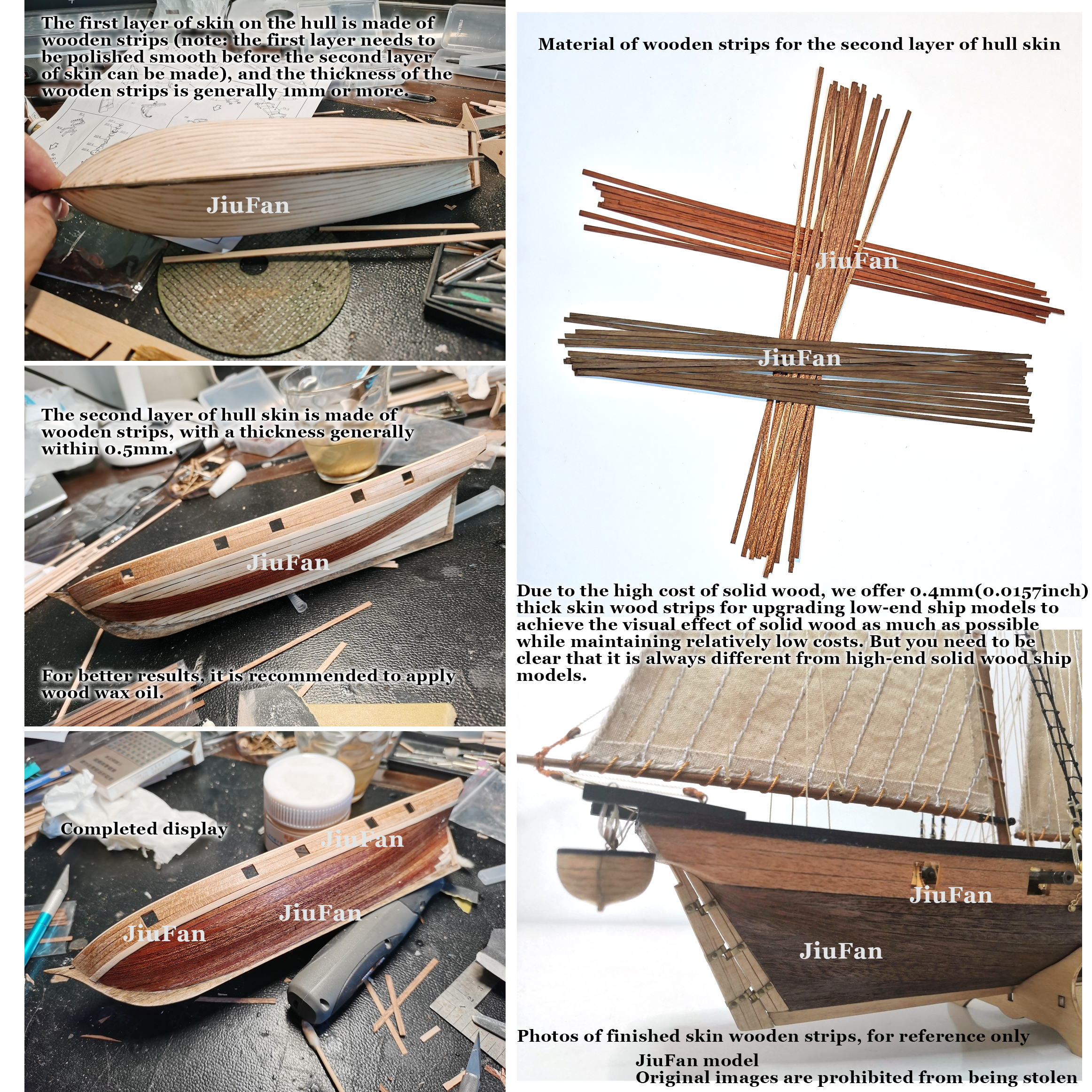
Upgrade Parts for Wooden Ship Models – Second Layer (Surface Decoration) Hull Planks (Solid Wood Thin Plates)
Series:Universal
View Details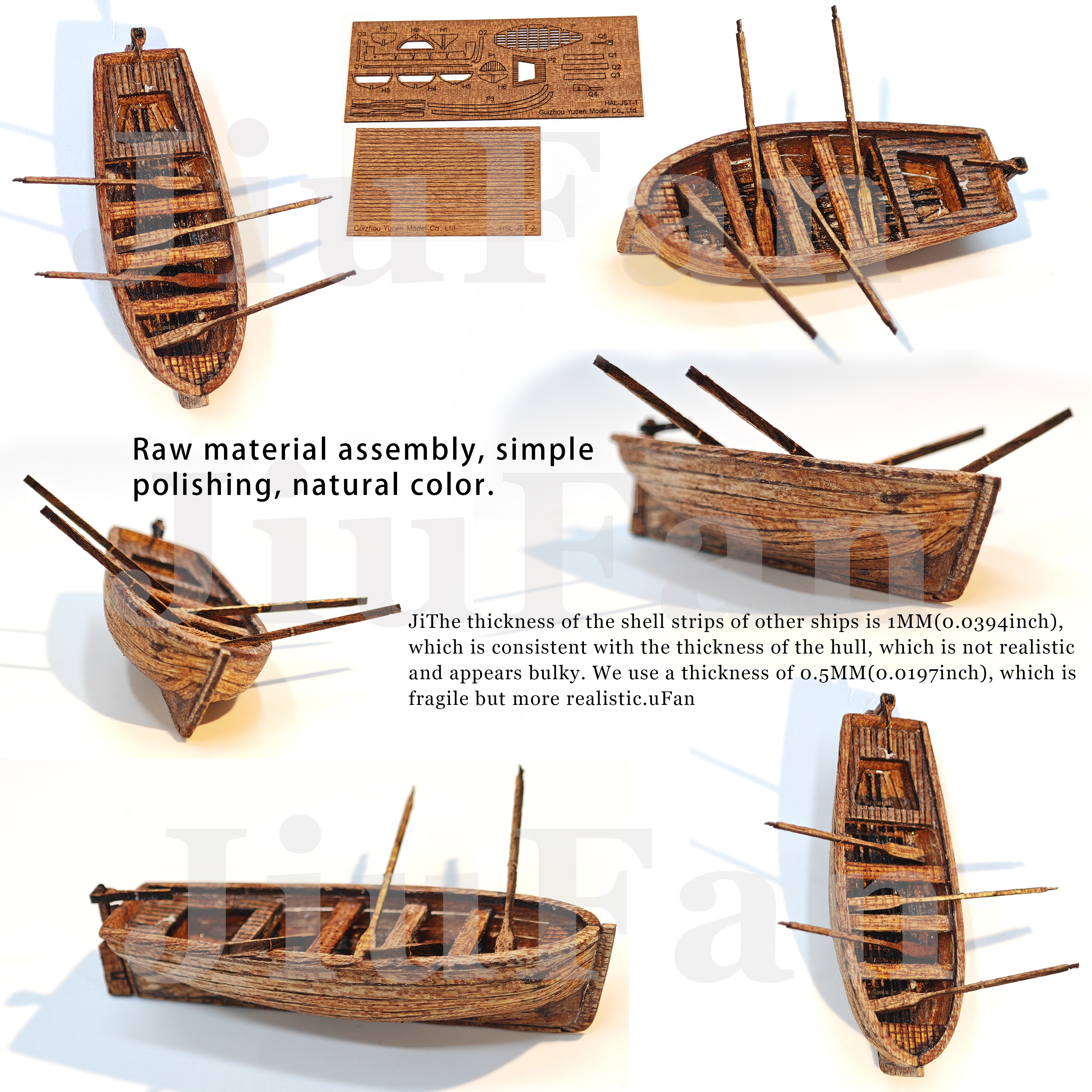
Lifeboat – Upgrade Parts for Ship Models, Universal & Usable Separately (1:100)
Series:Universal
View Details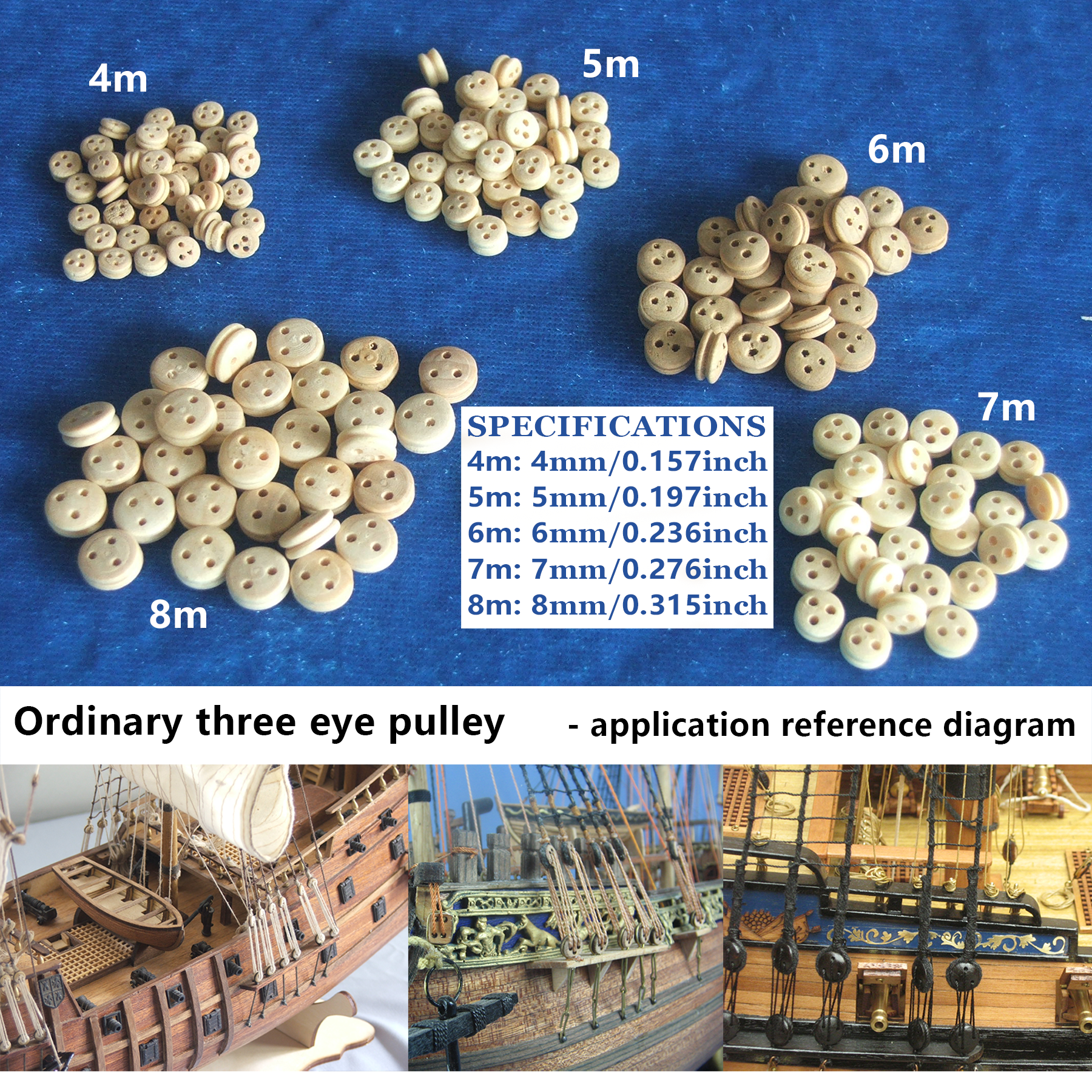
Single-sheave Block, Double-sheave Block, Three-eye Block – Upgrade Parts for Wooden Ship Models
Series:Universal
View Details